The Environmental Impact of Runoff from Pressure Washers
Pressure washing removes stubborn dirt from driveways, paths and building exteriors, but the dirty water needs careful management. In Lismore, runoff entering street gutters can reach stormwater drains and local waterways, including the Wilsons River catchment. Responsible pressure cleaning means controlling both the spray and the wastewater.

What Makes Pressure Washing Runoff Harmful?
Even when no detergent is used, pressure washing can dislodge pollutants from surfaces. The environmental risk depends on what is being cleaned and where the wash water goes.
- Sediment: Soil, sand and concrete particles can cloud water, reduce light penetration and smother aquatic habitat.
- Oil and grease: Driveways and workshop areas may release petroleum residues that harm aquatic organisms.
- Cleaning chemicals: Detergents, disinfectants and chlorine-based products can affect aquatic life and alter water chemistry.
- Paint and surface debris: Flaking coatings can release plastic particles or hazardous substances, particularly from older painted surfaces.
Why Runoff Control Matters in Lismore
Lismore’s heavy rainfall and flood exposure make drainage planning especially important. Stormwater generally does not receive the same treatment as sewage, so a nearby drain is not a suitable disposal point for cleaning wastewater. Rain can also carry away residues left behind after a job.
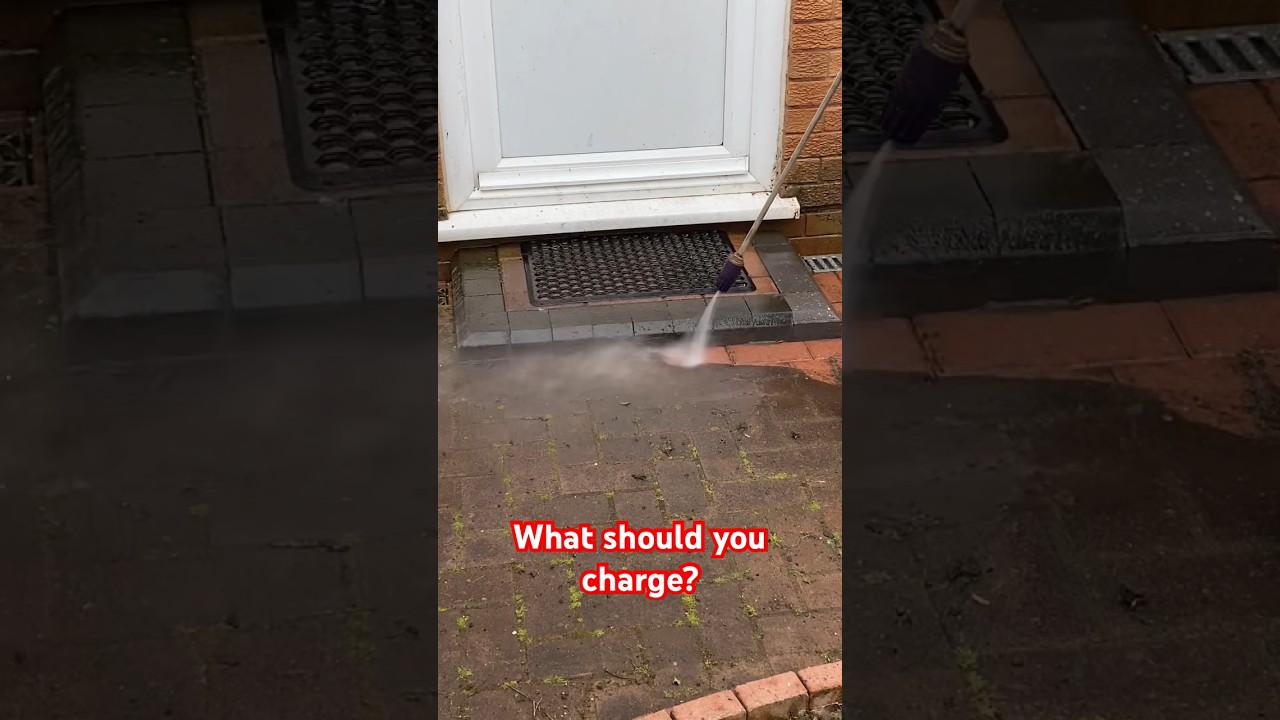
Check the weather forecast before cleaning and avoid starting work when rain could https://edgaribrb379.rivertonbrief.com/posts/lismore-driveway-cleaning-best-practices-for-river-silt overwhelm containment measures. On sloping properties, identify downhill drains and neighbouring land before switching on the machine.

How to Reduce the Environmental Impact
- Remove loose material first. Sweep or vacuum dirt, leaves and debris, and collect oil residues using an appropriate absorbent.
- Inspect the surface. Check for deteriorating paint, chemical contamination or suspected asbestos. Do not pressure wash asbestos-containing materials.
- Contain the wash water. Use suitable berms, drain covers and collection equipment to prevent runoff escaping. Blocking a drain alone is not enough; collected water still needs removal.
- Recover wastewater. A wet vacuum or purpose-designed recovery system can collect water for appropriate treatment or disposal.
- Use the least intensive effective method. Choose suitable pressure, targeted cleaning and the minimum necessary chemical dose to reduce water use and surface damage.
Are Biodegradable Cleaners Safe for Stormwater?
“Biodegradable” does not mean safe to discharge into a drain. A product can harm aquatic life before it breaks down, and the wastewater may still contain oil, sediment or paint particles. Follow label directions and review the safety data sheet, but manage the entire wastewater mixture—not just the cleaning product.
Wastewater Disposal and NSW Requirements
In NSW, the Protection of the Environment Operations Act 1997 prohibits water pollution unless lawfully authorised. Allowing contaminated pressure-washing runoff into stormwater can breach these requirements.
Do not assume wastewater can go into a sewer, septic system or garden. Sewer disposal may require approval and pretreatment, particularly for commercial wastewater. Contact Lismore City Council for current local requirements, and use an appropriately authorised waste service where necessary.
Choosing a Responsible Pressure Cleaning Service
Before booking pressure cleaning in Lismore, ask how the contractor contains runoff, recovers wastewater and determines the correct disposal method. A responsible provider assesses drainage and surface contamination before work begins. That planning helps deliver a clean property without transferring the mess into local waterways.
Lismore Pressure Cleaning
(02) 6617 2969